admin-suit

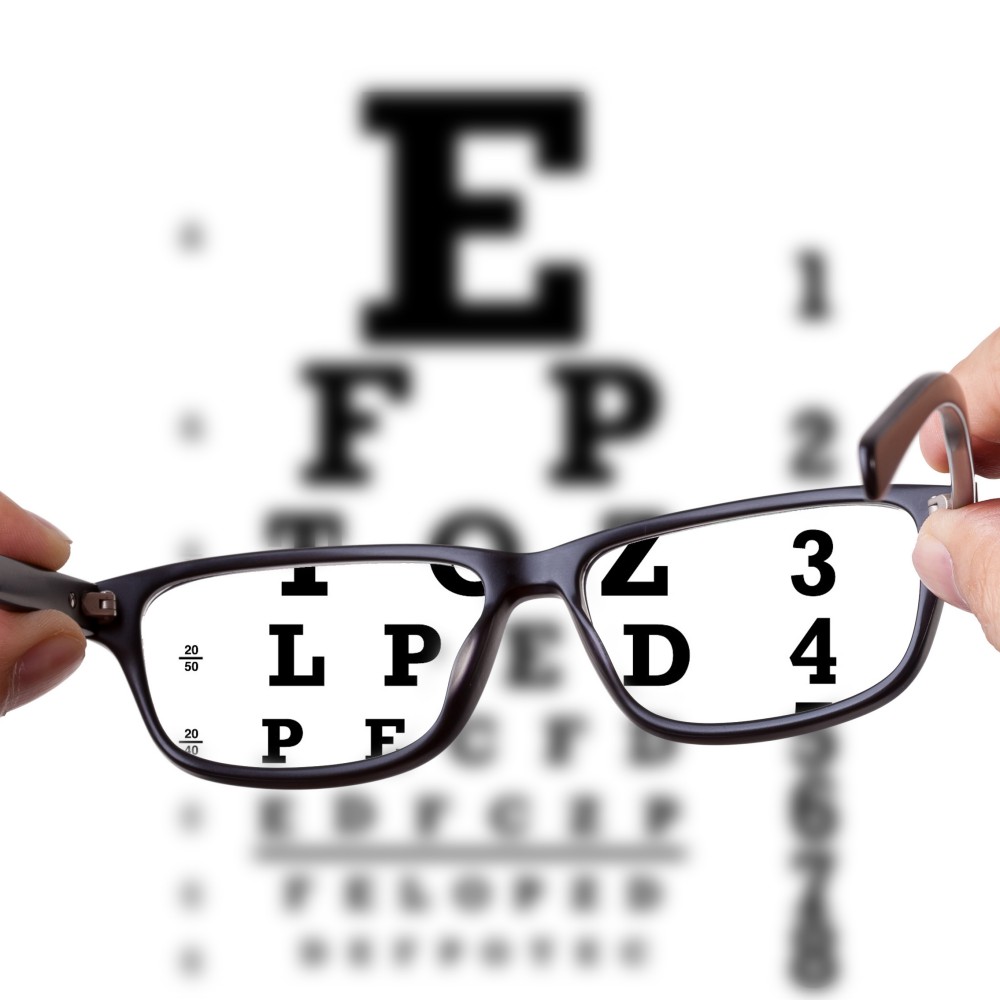
The Science of Vision Correction

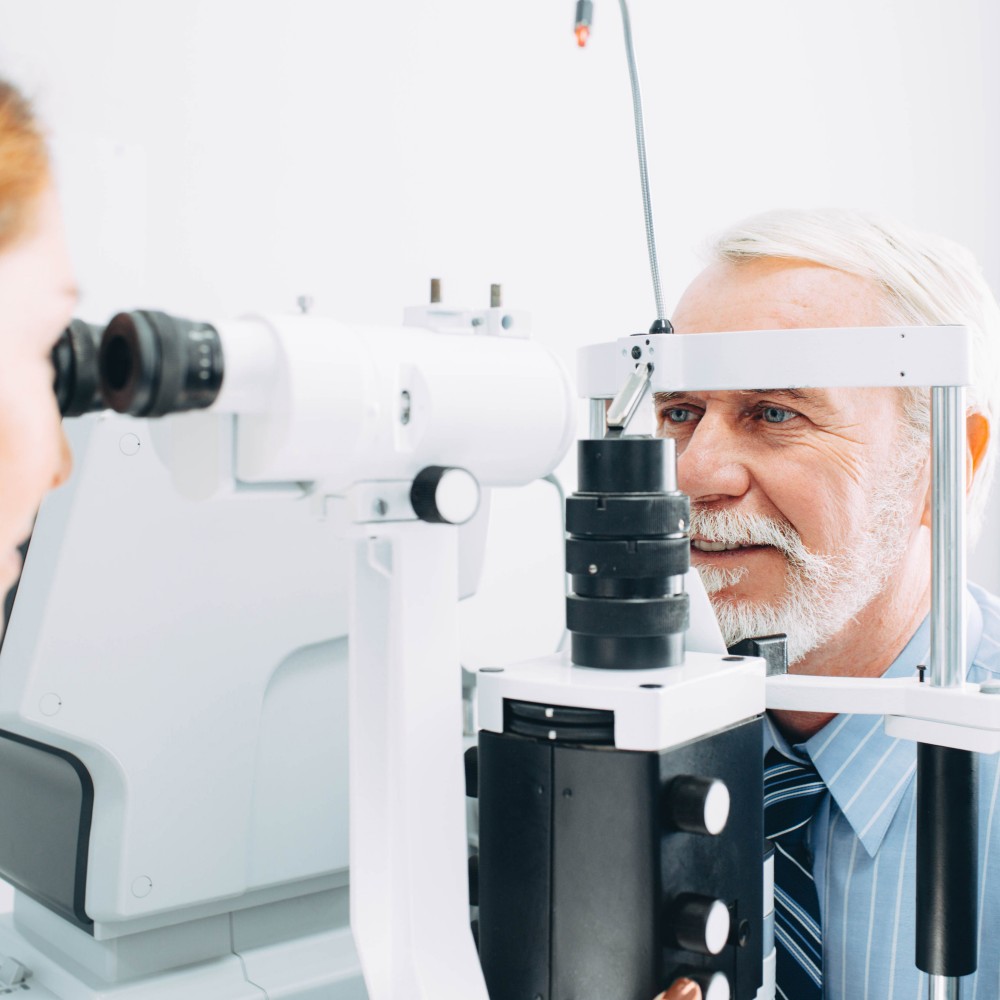
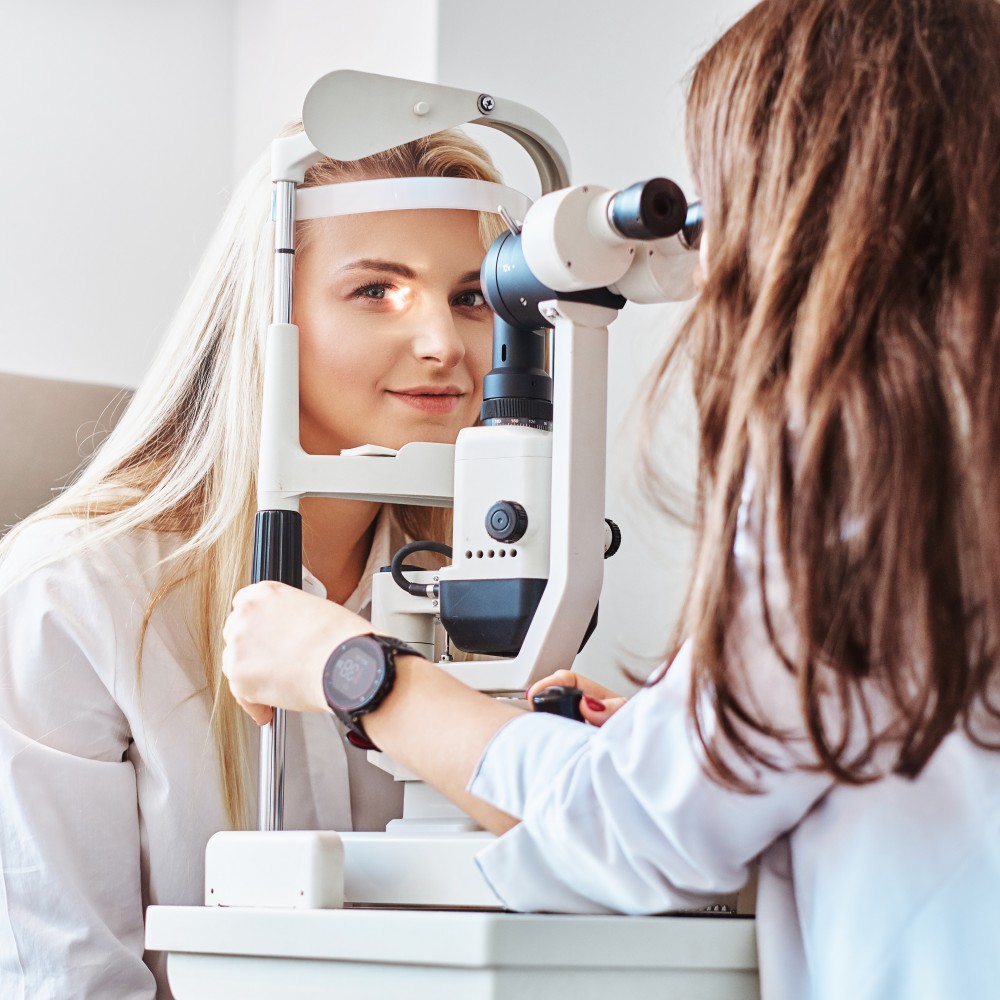
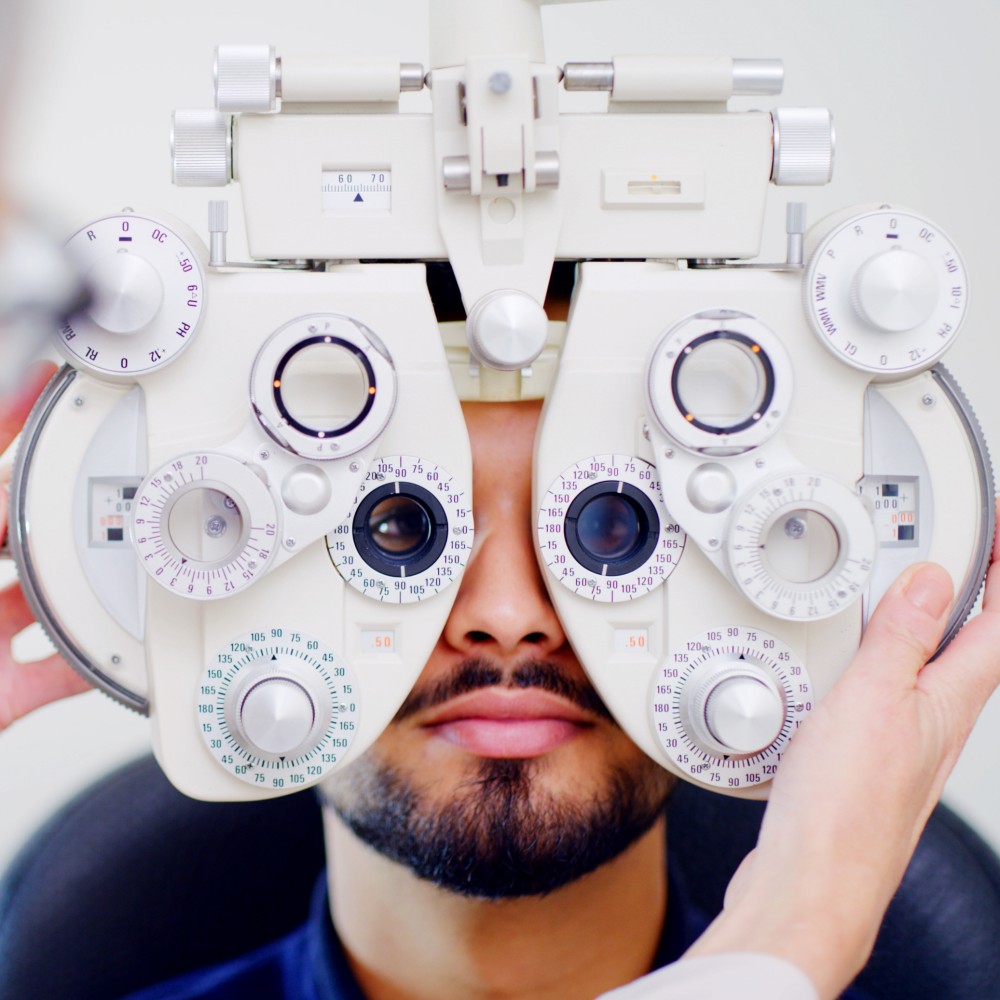
Optometry is a healthcare profession dedicated to the examination, diagnosis, and treatment of visual disorders. Vision correction represents one of the fundamental aspects of optometric practice, encompassing the prescription of corrective lenses and contact lenses tailored to individual patient needs. Optometrists utilize sophisticated diagnostic equipment to measure refractive errors such as myopia, hyperopia, and astigmatism. […]

The Science of Vision Correction Read More »
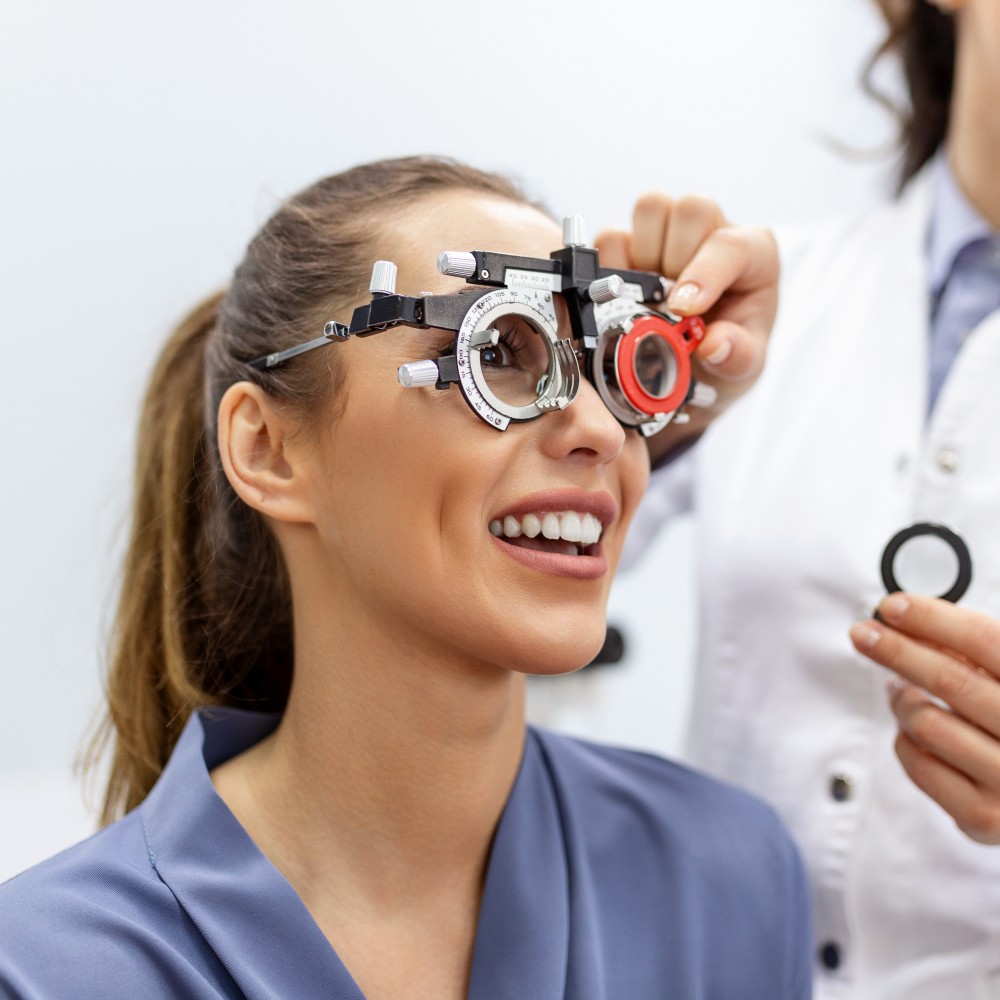
Common Eye Diseases and Conditions

Eye diseases affect millions of people worldwide, making early detection crucial for preserving vision. Glaucoma, often called the “silent thief of sight,” progressively damages the optic nerve and can lead to irreversible vision loss without noticeable symptoms in early stages. Age-related macular degeneration affects central vision and is a leading cause of blindness in older

Common Eye Diseases and Conditions Read More »

Pediatric Eye Care and Development

Children’s vision development is a critical aspect of optometric care that begins from infancy. Visual skills essential for learning include eye tracking, focusing, and binocular coordination. Undetected vision problems in children can significantly impact academic performance and social development. Common pediatric conditions include amblyopia (lazy eye), strabismus (eye misalignment), and convergence insufficiency. The American Optometric

Pediatric Eye Care and Development Read More »

Contact Lens Technology and Fitting

Contact lens technology has advanced dramatically, offering solutions for virtually every vision correction need. Modern contact lenses range from daily disposables to extended-wear silicone hydrogel lenses that allow continuous wear for up to 30 days. Specialty lenses address complex conditions like keratoconus, irregular astigmatism, and presbyopia. The fitting process involves careful measurement of corneal curvature,

Contact Lens Technology and Fitting Read More »

Digital Eye Strain and Modern Challenges

The proliferation of digital devices has introduced new challenges to visual health. Digital eye strain, also known as computer vision syndrome, affects individuals who spend extended periods working on computers, tablets, and smartphones. Symptoms include eye fatigue, headaches, blurred vision, and dry eyes. The condition results from reduced blink rate during screen use, typically decreasing

Digital Eye Strain and Modern Challenges Read More »

Advanced Diagnostic Technologies

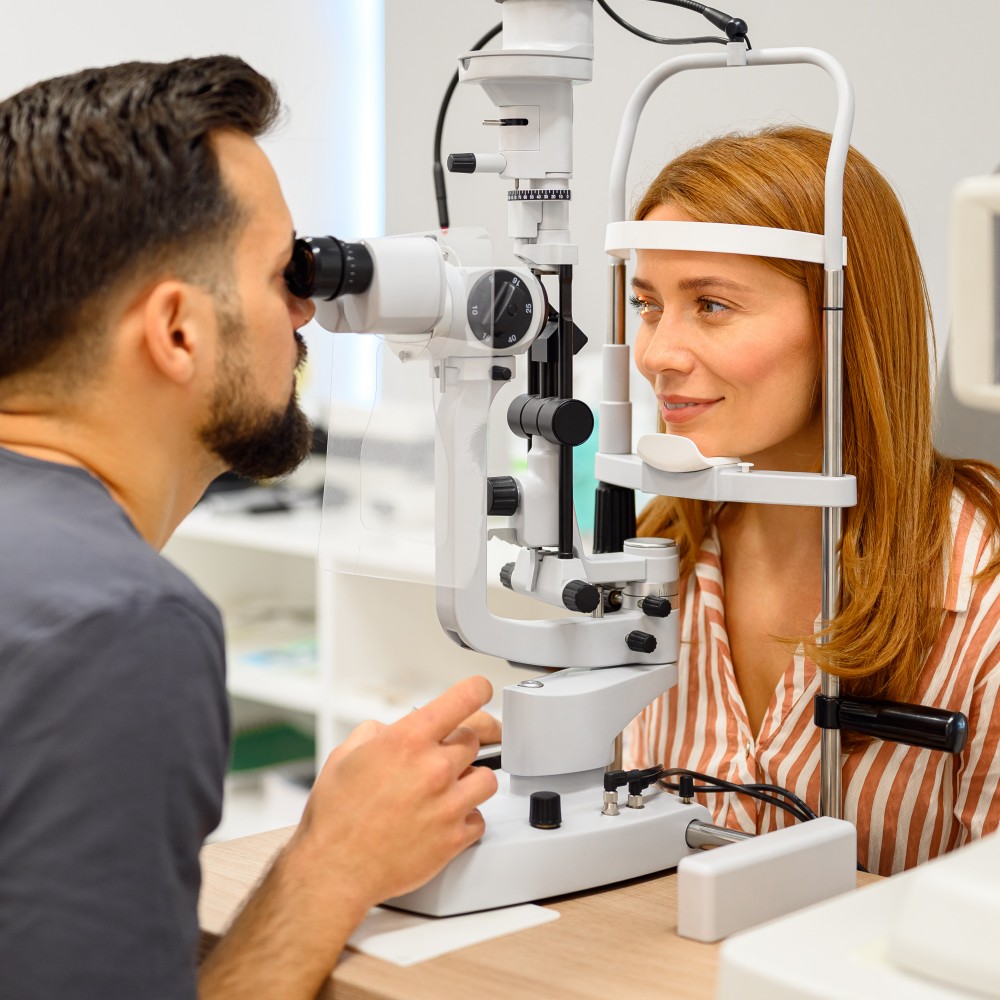
Contemporary optometric practice relies on sophisticated diagnostic technologies that enable earlier and more accurate disease detection. Optical coherence tomography (OCT) provides detailed cross-sectional images of the retina and optic nerve, allowing detection of subtle changes indicative of glaucoma or macular degeneration. Visual field analyzers map peripheral vision to identify blind spots and neurological abnormalities. Corneal

Advanced Diagnostic Technologies Read More »

The Future of Optometric Practice

The optometric profession continues to evolve with emerging technologies and expanding scope of practice. Telemedicine has begun to transform eye care delivery, enabling remote screening and monitoring of certain conditions. Artificial intelligence is being integrated into diagnostic systems, potentially improving accuracy and efficiency in detecting diabetic retinopathy and other conditions. Myopia control has become a

The Future of Optometric Practice Read More »

Scroll to Top